
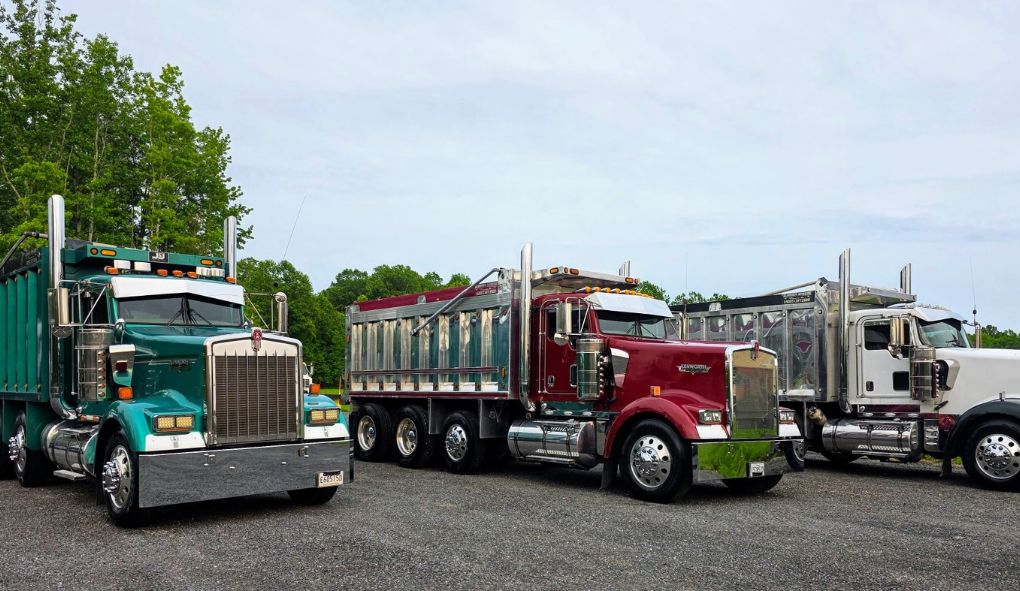
Taking on a home renovation is exciting — but it also creates more mess than most homeowners expect. Old cabinets, flooring, drywall, and packaging add up fast, and regular trash service can’t keep up.
That’s where a roll-off dumpster rental in Lexington Park, MD, becomes one of the most useful tools on your job site. If this is your first renovation in Southern Maryland, understanding how dumpster rentals work will help you stay organized, on schedule, and within budget.
1. Know Your Project and Debris Type
Before you schedule a dumpster, it helps to think through what you’re actually removing. Different projects produce very different types and amounts of debris.
Common renovation projects that benefit from a dumpster include:
- Kitchen and bathroom remodels
- Flooring and carpet replacement
- Roofing and siding projects
- Whole-home cleanouts or garage clearouts
Make a quick list of what you’re tearing out: cabinets, tile, drywall, trim, old furniture, or roofing materials.
The more specific you can be, the easier it is to choose the right dumpster size and plan for safe disposal.
2. Choose the Right Size for Your Home
Dumpster sizes are usually measured in cubic yards, and first-time renovators often underestimate how much space they’ll need. Choosing too small can mean extra hauls; choosing too large can mean paying for unused space.
As a general guideline:
- Smaller projects (like a single bathroom or small room) may fit in a smaller dumpster
- Medium projects (like a kitchen or several rooms) often need a mid-sized container
- Large projects (multiple rooms, major remodels, or big cleanouts) may call for a larger roll-off
If you’re unsure, it’s better to talk through your plans with your local dumpster rental company. Describe your project, timeline, and the size of your home so they can recommend a size that makes sense.
3. Understand What Can and Cannot Go in the Dumpster
Not everything from your renovation can go into a roll-off dumpster. Some materials require special handling for safety or environmental reasons.
Typical household renovation debris that can usually go in:
- Wood, drywall, trim, and framing
- Flooring, carpet, and padding
- Cabinets, doors, and non-upholstered furniture
- Roofing shingles and siding (within weight limits)
Items that are often restricted or prohibited:
- Paint, solvents, and certain chemicals
- Large appliances or electronics
- Tires, batteries, and some hazardous materials
Before your project starts, ask for a clear list of acceptable and prohibited items. This saves you from scrambling on demo day and helps you avoid extra fees for improper disposal.
4. Pick a Safe, Accessible Placement Spot
Placement is just as important as size. Your dumpster needs to be close enough to the work area to be convenient, but placed where the delivery truck can safely drop and pick it up.
Common placement options in Southern Maryland neighborhoods include:
- Driveways
- Gravel or paved parking areas
- Designated spots on larger properties
A few things to keep in mind:
- Make sure there’s enough overhead clearance (no low branches or wires)
- Leave room for vehicles to come and go
- Consider how you’ll move debris from the house to the dumpster without blocking doors or walkways
If you’re part of an HOA or live on a narrow street, it’s also smart to check any rules about placement and timing before delivery.
5. Plan Your Rental Timeline Around the Project
Renovations rarely go exactly to plan, but you can still make a reasonable schedule for your dumpster.
Most rentals include a set number of days with options to extend if needed.
Consider:
- When demolition will start
- How long you expect removal to take
- When you’ll need the space cleared for the next phase of the project
It often works best to have the dumpster delivered shortly before demo begins and removed once the heaviest debris phase is done. If your project is phased (for example, room by room), talk with the rental company about whether one longer rental or a couple of shorter ones makes more sense.
6. Load the Dumpster Efficiently and Safely
How you fill the dumpster matters. A neatly loaded container holds more material and is safer for everyone working on-site.
Simple loading tips:
- Start with larger, heavier items on the bottom
- Break down materials when possible (remove doors from frames, cut long pieces)
- Distribute weight evenly from front to back
- Avoid piling debris higher than the top of the dumpster
Overfilled or unevenly loaded containers can’t be safely hauled, which can delay pickup and add extra charges. A little attention while you’re loading keeps things moving smoothly.
7. Watch for Weight Limits and Extra Fees
Dumpster rentals usually include a weight allowance based on size. Heavier materials — like roofing shingles, tile, plaster, or concrete — add up quickly.
To avoid surprises, ask:
- What weight is included with this dumpster size?
- How are overage charges calculated if I go over?
- Are there extra fees for certain materials or extended rental time?
Understanding these details before the project starts helps you stay within your budget and decide if certain materials should be handled separately.
8. Coordinate Pickup and Final Cleanup
As your project wraps up, plan your final cleanup so the dumpster can be hauled away on time. Do a last sweep through the work areas, garage, and yard to gather any remaining debris before pickup.
When scheduling pickup, consider:
- Whether all debris is inside the container and not hanging over the sides
- Whether vehicles or equipment might block the truck’s access
- If you need the dumpster gone by a specific day for inspections or the next contractor
A well-timed pickup keeps your driveway clear and your project moving to its next stage without delay.
Why a Professional Lexington Park Dumpster Rental Partner Matters
For first-time home renovators in Southern Maryland, a dumpster rental is more than just a box in the driveway — it’s a key part of keeping your project safe, organized, and on schedule.
Working with an experienced local provider like Summer Breeze Farms means:
- Guidance on choosing the right size for your project
- Safe delivery and placement on your property
- Clear expectations around what’s allowed, timelines, and costs
With the right waste management planning, your renovation or construction dumpster becomes one less thing to worry about, so you can focus on the renovation itself. Reach out today to learn more about our dumpster services.