
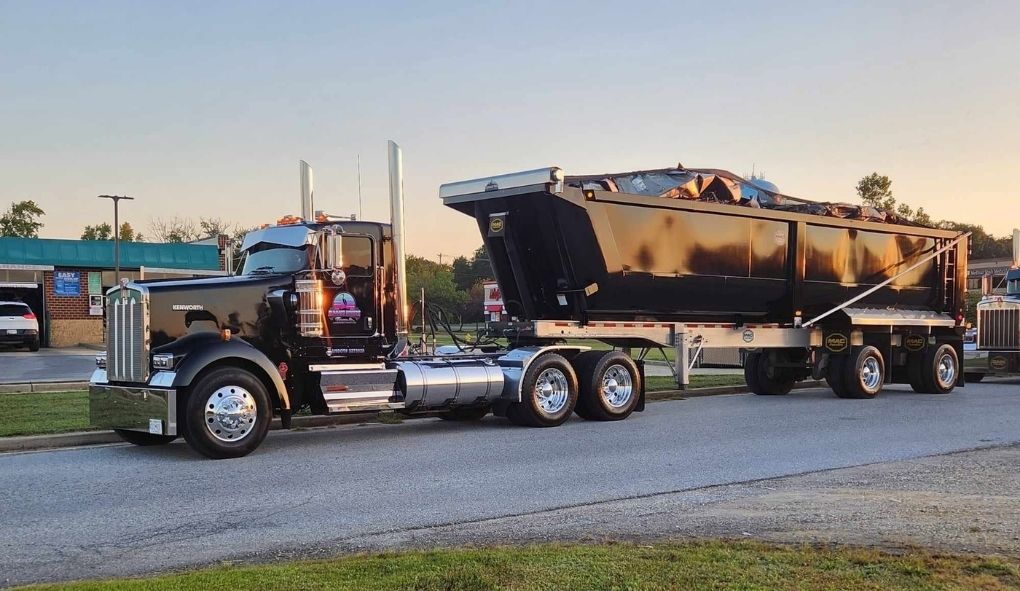
Every job runs smoother when debris cleanup is planned before the first hammer swings. Whether you’re managing a remodel in Lexington Park or a new build near Patuxent River NAS, staying ahead of debris is one of the easiest ways to keep a job site safe, on schedule, and inspection-ready.
At Summer Breeze Farms, we help contractors across St. Mary’s, Calvert, and Charles County keep debris removal moving along with the job.
1. Plan Debris Removal Before the Job Starts
Walk the site with your crew before demo or framing begins and talk through where debris will collect, how often it needs to move, and where a dumpster can sit without blocking equipment, deliveries, or exits. Southern Maryland job sites are often tight — driveways, easements, and septic fields can all limit where a roll-off fits, so it pays to sort this out early.
2. Match the Dumpster Size to the Scope of Work
Picking the right size keeps costs and hauls predictable:
- 20-yard dumpster — Smaller renovations, single-room remodels, and light demo debris
- 30-yard dumpster— Mid-size renovations, roofing tear-offs, and small new-construction projects
- 40-yard dumpster— Large construction jobs, commercial builds, and major whole-home renovations
If you’re unsure which size fits your project, our team can walk through the scope with you and recommend a size that avoids extra hauls or leaving debris piling up on-site.
3. Know What Can — and Can’t — Go in the Dumpster
Most construction debris — wood, drywall, roofing materials, flooring, siding, and general demo material — can go straight into a roll-off. Hazardous materials, certain chemicals, and some electronics typically can’t, so it’s worth checking with your provider before loading anything questionable. Keeping debris streams clean also helps crews load faster and safer.
4. Build Safety Into the Daily Routine
Debris cleanup isn’t just about keeping the site tidy — it’s a safety issue. A few habits go a long way:
- Clear walkways and stairwells of scrap material at the end of each day
- Keep nails, screws, and sharp debris away from foot traffic areas
- Stack and secure loose materials so they don’t shift or fall
- Position the dumpster where loading doesn’t require crossing active work areas
5. Schedule Pickups Around Your Timeline, Not the Other Way Around
A dumpster that fills up mid-week with no pickup scheduled can stall a crew fast. Coordinate pickup and swap timing around framing, drywall, and cleanup phases so a full dumpster never becomes the reason a job falls behind. Our team works with contractors throughout St. Mary’s, Calvert, and Charles County to schedule swaps that match the pace of the job.
6. Keep Communication Open With Your Rental Provider
Job sites change — scope expands, timelines shift, weather delays work. Letting your dumpster rental provider know about changes early makes it easier to adjust delivery, swap, or pickup timing without last-minute scrambling.
Partner with Summer Breeze Farms for Your Construction Debris Removal Services
Summer Breeze Farms is part of this community, and we know Southern Maryland job sites because we work them ourselves. If you’re planning a project, our construction debris removal service is ready to keep your site clear from the first day to the last.
Construction Debris Removal FAQ
As soon as you have a start date. Scheduling early ensures the size and delivery window you need are available, especially during busy renovation seasons.
Yes — many contractors keep a dumpster on-site throughout a project and schedule swaps as it fills, rather than removing and re-delivering between phases.
Our team can talk through your project scope and recommend a size, and we can always swap to a larger dumpster if the job produces more debris than expected.
Yes, we work with homeowners and contractors alike across St. Mary’s, Calvert, and Charles County, including sites near Lexington Park, Patuxent River NAS, and Webster Outlying Field.
Most common construction debris, including wood, drywall, flooring, roofing shingles, siding, and other general demolition materials, can go in a roll-off. Check with your provider before disposing of anything hazardous or restricted.
Keep construction waste below the top edge of the dumpster and distribute heavier materials evenly as you load. If you’re approaching capacity before the project is finished, schedule a swap rather than continuing to pile debris above the fill line.
Yes. Roll-off dumpsters can be used for home renovations, additions, new construction, roofing projects, and other residential work, provided there is enough space for safe placement and pickup.
Choose a firm, accessible location that won’t interfere with equipment, deliveries, workers, or access points. Your provider can help determine whether the proposed location will work for delivery and pickup.
It depends on the size and pace of your junk removal project. Smaller jobs may only need one haul, while active construction sites may need regular swaps as debris accumulates.
If the project produces more or less debris than expected, contact your rental provider to discuss changing the size or scheduling a swap. Planning the adjustment early can help prevent delays.