
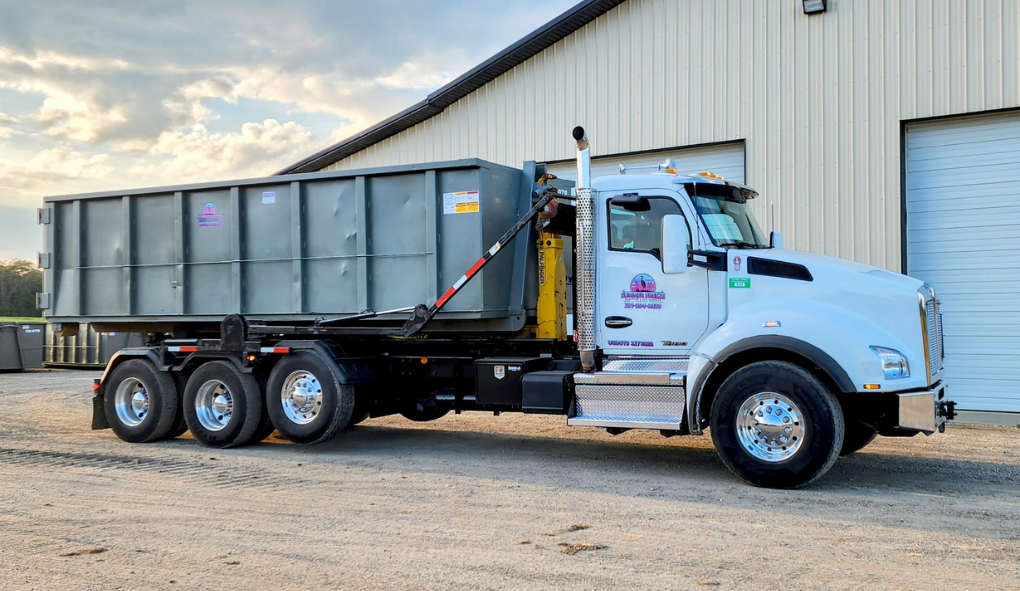
When you’re running a job site, the last thing you want is a dumpster becoming a liability problem. Most people think about size, placement, and pricing when renting a dumpster, but insurance and liability are just as important, especially on construction, renovation, or commercial job sites.
Whether you’re a contractor, property owner, or project manager, understanding who’s responsible if something goes wrong can save you time, money, and stress. In this blog, we’ll explore the ins and outs of dumpster rental insurance and liability.
Who’s Responsible for the Dumpster on a Job Site?
Once a dumpster is delivered, liability often shifts to the renter, not the dumpster company.
That means:
- You’re responsible for how it’s used
- You’re responsible for where it’s placed
- You’re responsible for keeping the area safe
The rental company is typically responsible for:
- Delivering and picking up the dumpster safely
- Ensuring the dumpster itself is structurally sound
- Operating their truck properly during delivery and removal
But once it’s on your site, you control what happens next.
Common Liability Risks People Don’t Think About
Most liability issues are small, everyday things that turn into big problems, for example:
Trip and Fall Accidents
Loose debris, uneven ground, or poor lighting around the dumpster can cause someone to trip and get hurt. On busy job sites, this happens more than people realize.
Overloaded Dumpsters
Overfilling or placing heavy materials incorrectly can cause debris to spill out, shift, or fall when the dumpster is picked up, creating safety risks and potential damage.
Property Damage
Dumpsters placed on:
- Driveways
- Asphalt
- Pavers
- Landscaping
can crack surfaces, leave gouges, or cause sinking if weight limits aren’t considered.
Unauthorized Use
Neighbors or passersby tossing items into your dumpster can introduce prohibited materials, create weight issues, or even result in hazardous waste, all of which can negatively impact the renter.
Do You Need Insurance to Rent a Dumpster?
For residential projects, insurance usually isn’t required, but you’re still responsible if damage occurs.
For commercial job sites, things change. Many contractors and property managers are expected to have:
- General liability insurance
- Workers’ compensation
- Sometimes, additional insured certificates are required, depending on the site
Some large job sites may even require proof of insurance before a dumpster can be placed. If you’re unsure, it’s always best to check with the following:
- The property owner
- The general contractor
- Your insurance provider
What Dumpster Rental Companies Typically Insure
Dumpster rental companies generally carry insurance that covers:
- Their trucks and drivers
- Damage caused during delivery or pickup
- Mechanical issues with the dumpster itself
However, that coverage usually does not extend to:
- Job site injuries
- Improper loading
- Unauthorized dumping
- Damage caused after placement
This is why communication matters. A good dumpster company will explain expectations upfront, rather than leaving you to guess.
How to Reduce Liability on Your Job Site
The good news is that most risks are easy to manage with a little planning, such as:
Choose the Right Placement
Place the dumpster on:
- Level ground
- Stable surfaces
- Away from foot traffic when possible
Using plywood under the wheels or base can help protect surfaces like driveways or asphalt.
Don’t Overfill
If debris is sticking above the rim, it’s a problem. Overfilled dumpsters:
- Are unsafe
- May not be hauled
- Can result in extra fees or accidents
When in doubt, schedule a swap or rent a larger size.
Keep the Area Clean
A quick sweep around the dumpster each day goes a long way. Clear walkways reduce trip hazards and make the site look more professional.
Control Access
If your dumpster is in a public or shared area:
- Use caution tape
- Post signage
- Consider temporary fencing
This helps prevent unauthorized dumping and keeps responsibility where it belongs.
What About Permits and Street Placement?
If a dumpster is placed on a public street or sidewalk, permits are usually required, and liability increases. Without a permit:
- You could face fines
- You could be held responsible for accidents involving traffic or pedestrians
- Insurance claims may become complicated
Always check local regulations before street placement. A reputable dumpster rental company can usually help guide you through the process.
Communication Is the Real Protection
The biggest liability mistakes happen when assumptions are made. Before renting a dumpster, it helps to ask:
- What materials are allowed?
- What are the weight limits?
- Who is responsible if damage occurs?
- Are there placement recommendations?
- What happens if the dumpster needs to be moved?
Clear answers upfront prevent misunderstandings later.
Partner with Summer Breeze Farms for Reliable Dumpster Rental Solutions in Germantown, TN
Dumpsters are essential on job sites, but they’re not “set it and forget it” equipment. Understanding insurance and liability isn’t about fear but about protecting your project, your workers, and your budget. A professional dumpster rental company should make this easy. The goal is a clean, safe job site with no surprises, and that starts with knowing who’s responsible and how to minimize risk.
If you’re planning a project and aren’t sure what size, placement, or coverage makes sense, ask questions early. It’s always better than dealing with issues after the fact. Reach out to get started.